


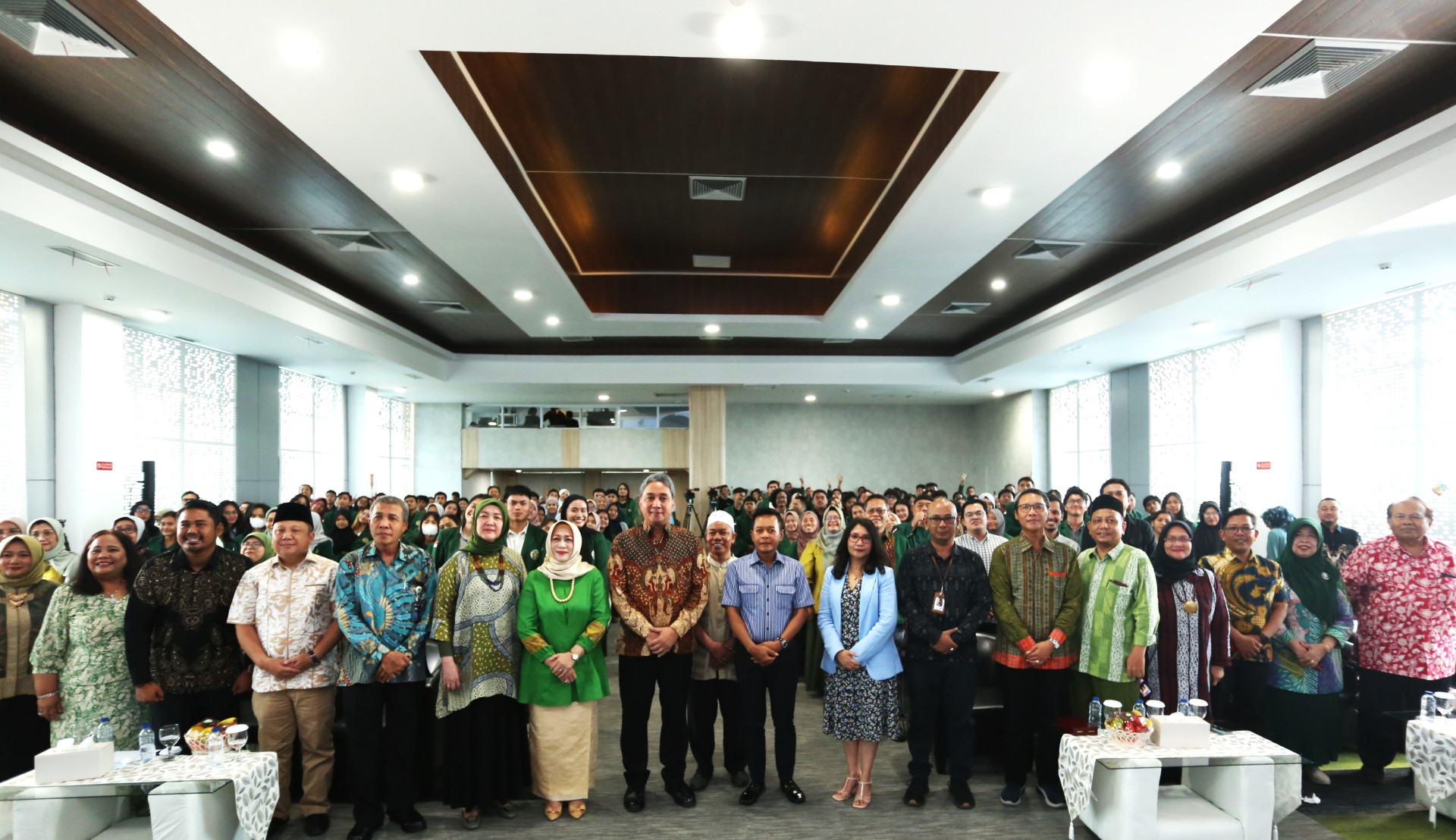


FIB USU PR - On Saturday, October 12, 2024, the Faculty of Cultural Sciences (FIB) of the University of North Sumatra (USU) held a Public Lecture with the Theme Understanding the Hidden Economy and Placing Culture as the Upstream of Development with Resource Persons, the Director General of Culture, Ministry of Education, Culture, Research and Technology, Hilmar Farid, Ph.D. and Moderator M. Azis Rizky Lubis, S.S., M.A. This activity was held at the USU Digital Learning Center Building (DLCB) and was attended by USU Chancellor Prof. Dr. Muryanto Amin, S.Sos, M.Si. Dean of FIB Prof. Dr. Dra. T. Thyrhaya Zein, M.A, Vice Dean 2 Dra. Heristina Dewi, M.Pd. Vice Dean 3 Mhd. Pujiono, S.S., M.Hum., Ph.D, Head of the Committee Rahmadsyah Rangkuti, S.S., M.A., Ph.D. Lecturers and all committees are also FIB USU Students.
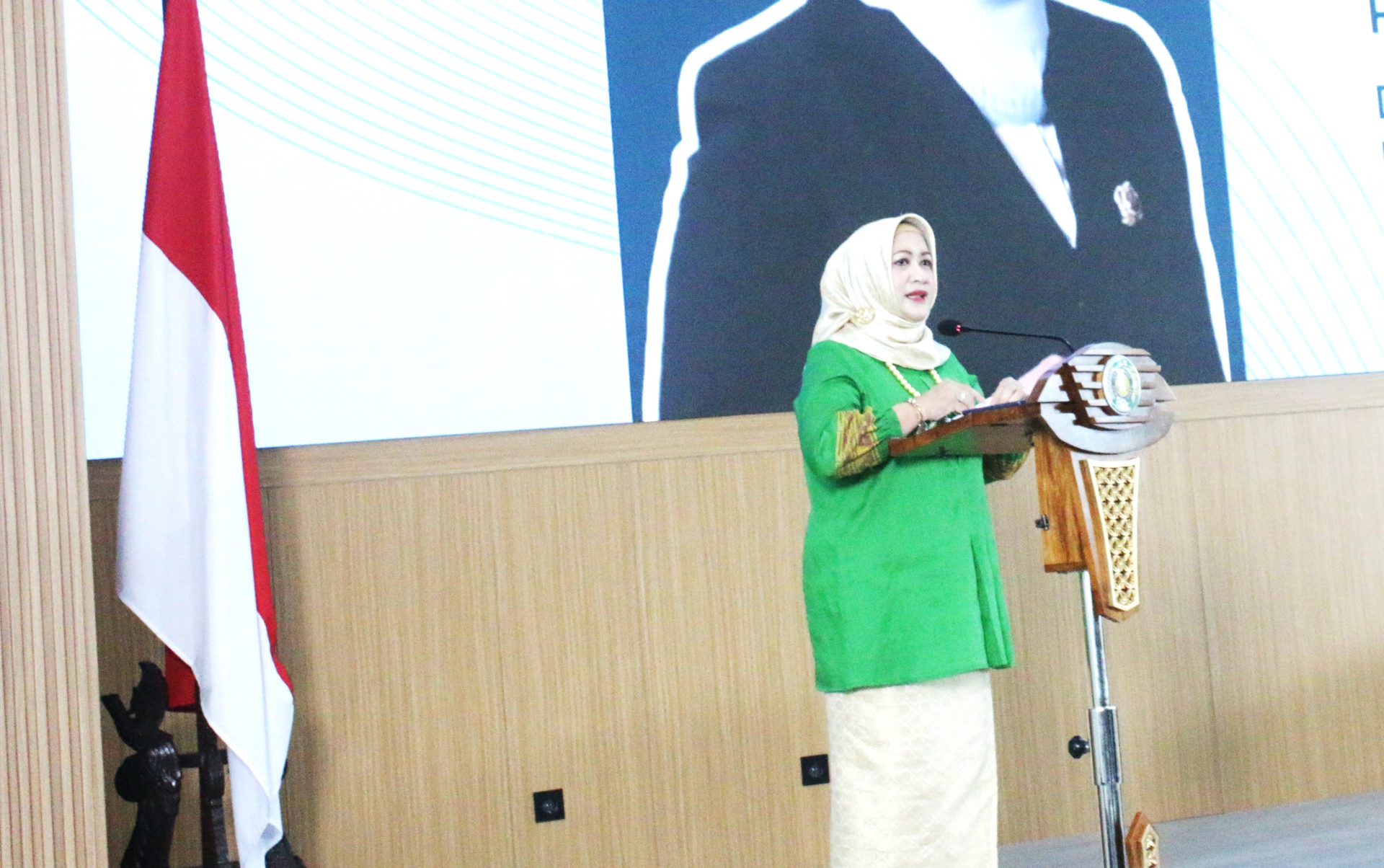
FIB Dean Prof. Dr. Dra. T. Thyrhaya Zein, M.A, delivered a welcoming speech that culture is expected to be an integral part of the development process. Of course, this is in line with the public lecture material delivered by the Director General of Culture, Ministry of Education, Culture, Research and Technology of the Republic of Indonesia, Hilmar Farid, PHD. This public lecture is a series of activities for the 59th FIB Anniversary.
"We have carried out various activities in the framework of the 59th FIB Anniversary to realize the characteristics of FIB. In the future, we hope that students can be directed towards interdisciplinary research," said the Dean
.JPG)
USU Rector Prof. Dr. Muryanto Amin, S.Sos, M.Si. delivered a welcoming speech hoping that this Public Lecture can benefit lecturers and students. In efforts to advance cultural preservation, collaboration is key.
"Like what we are currently working on, the animated film Puteri Hijau, a collaboration between students of the Faculty of Cultural Sciences (FIB) Communication and Fasilkom-TI)," said the Chancellor.
In the next 5 years, we want to make USU a Center of Local Wisdom and Art with FIB as its vanguard. So, different cultures are not obstacles and triggers for conflict. will make cultural differences and diversity a strength.
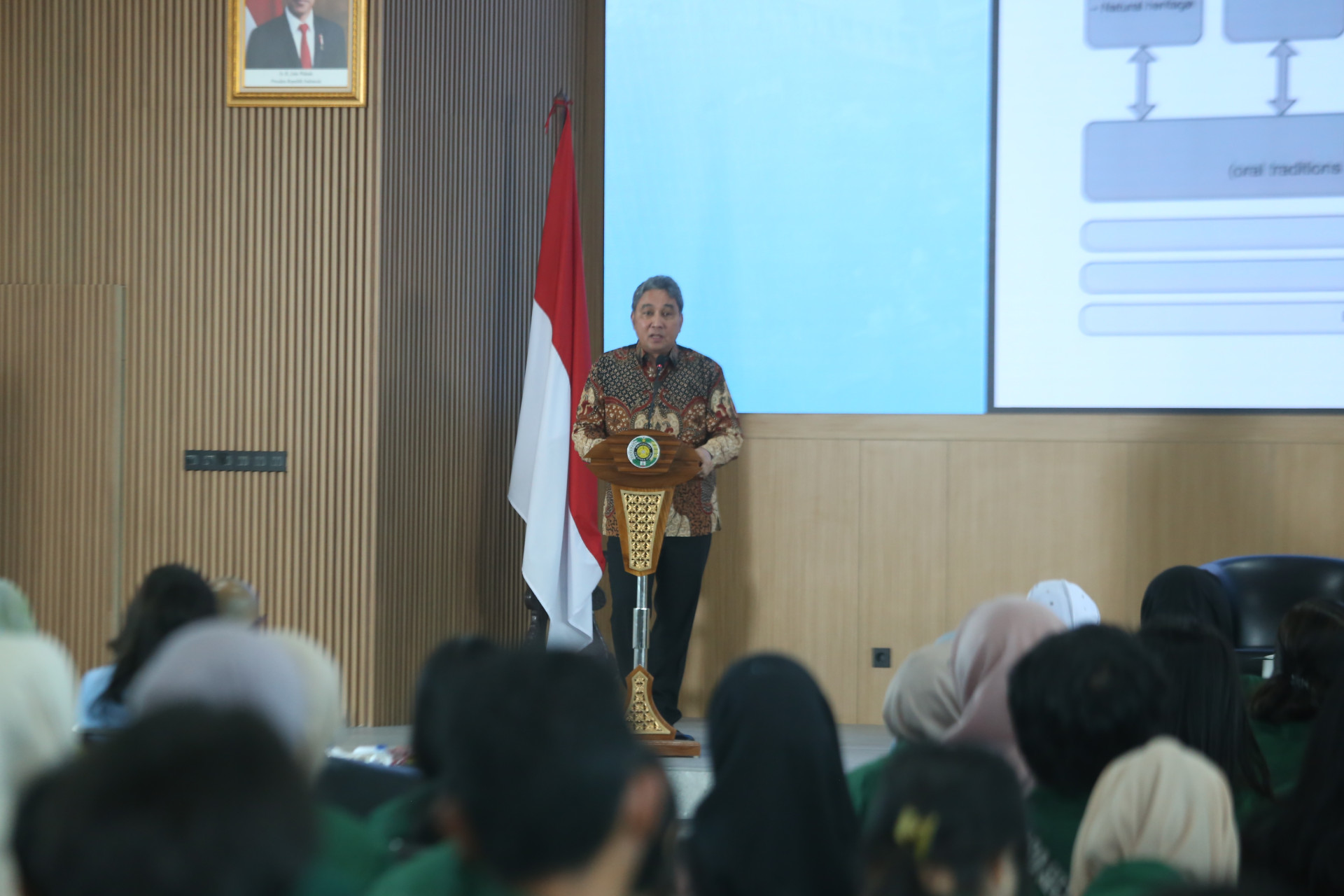
The Director General of Culture of the Ministry of Education, Culture, Research and Technology (Kemendikbudristek) of the Republic of Indonesia, Hilmar Farid, Ph.D said that Indonesia is one of the countries with the largest biodiversity and culture in the world besides Brazil and Africa. Likewise, the Intangible Cultural Heritage (WBTb) is an extraordinary treasure for Indonesia. It's just that the determination that has been done but the development and management are lacking.
"Culture plays a very crucial role in development. Culture is an expression of the surrounding nature. The diversity of nature forms the diversity of culture and social institutions. Consequently, the way society organizes its life (social metabolism) is based on the way nature regenerates itself (natural metabolism). The cultural sector is very important because it is the meeting point between nature and society," in his presentation during the Public Lecture "Understanding the Hidden Economy and Placing Culture as the Upstream of Knowledge" The Director General of Culture also mentioned that cultural policies that support biocultural diversity are an important foundation for all hidden economies behind development.
This means that government policies must not only favor the preservation and development of cultural diversity, but also the protection and regeneration of the ecosystem that is the basis of this diversity. "To achieve truly sustainable development, a more holistic approach is needed from the government. It is not enough to just facilitate cultural activities, the government must also formulate environmental policies that actively support ecosystem regeneration," he said.
Concrete steps can be started with an ecosystem restoration program that involves local communities and integrates their traditional knowledge. In line with that, it is necessary to develop policies that encourage sustainable agricultural and fisheries practices, which are not only environmentally friendly but also rooted in local wisdom.
The Director General also said that it is time to no longer use the name of Conservation to gain compassion so that people like what we do. Now it's time, how people like and want to engage with what we do. The challenge is how we manage local expressions to be liked globally.
.jpg)
.jpg)