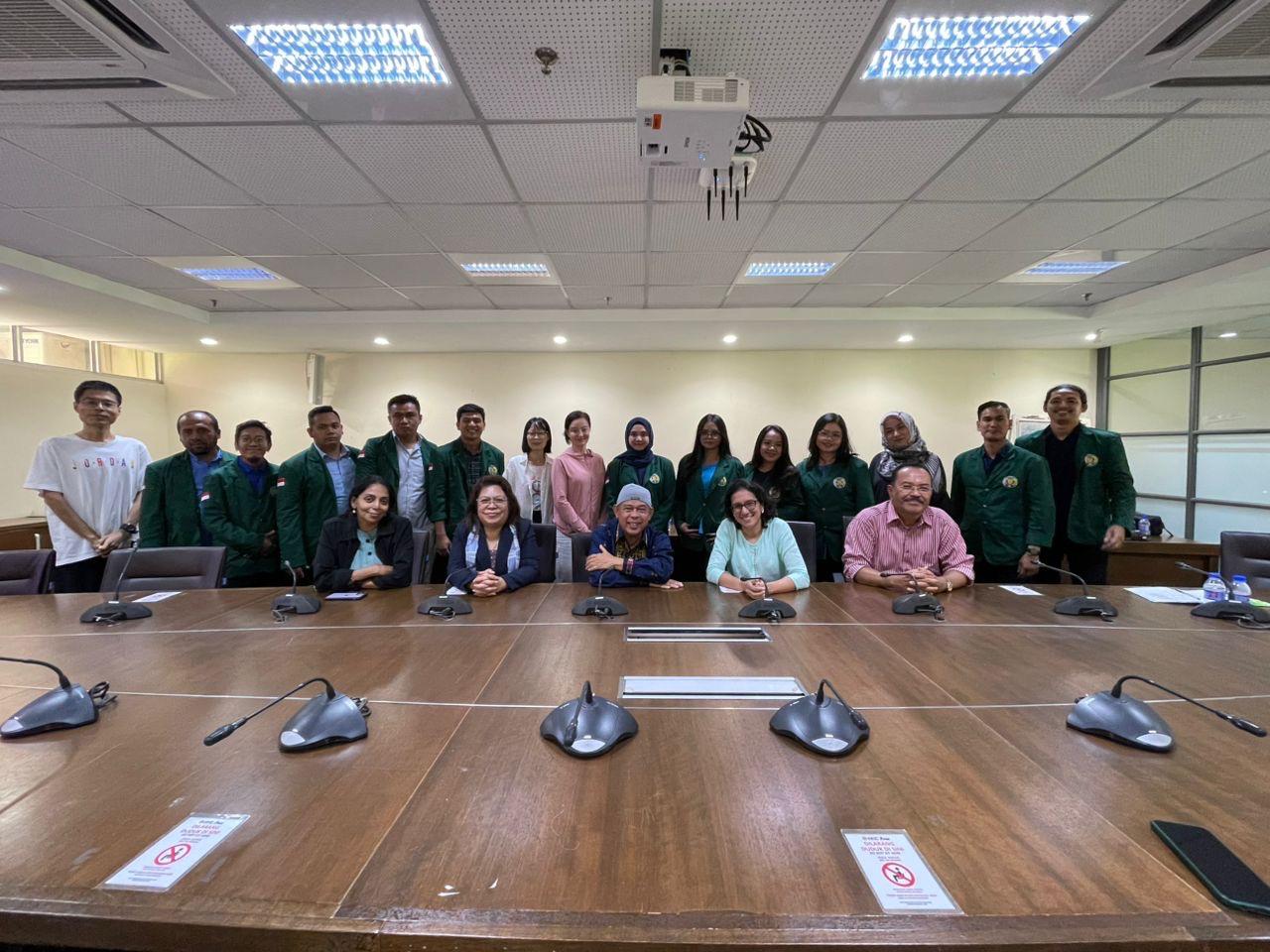
FIB USU PR - Thursday, November 7, 2024, a joint seminar was held between the Master of Arts Creation and Study Program, Faculty of Cultural Sciences, University of North Sumatra, Medan and the Music Department, School of The Arts, Universiti Sains Malaysia, Penang Malaysia which was attended by lecturers and students from both institutions. This seminar aims to enhance collaboration between the two universities and broaden academic and research insights in various fields, by emphasizing the important role of innovation and cross-disciplinary collaboration in the development of science and technology, especially art.
The theme of this seminar is "Transformation of Traditional Arts: Responding to the Challenges of the Times", which illustrates the importance of synergy between universities in producing innovative solutions that can have a positive impact on the preservation of the arts. This seminar is expected to open up opportunities for discussion on how academics from various backgrounds can collaborate to produce brilliant ideas that are not only focused on theory, but can also be applied in real life.
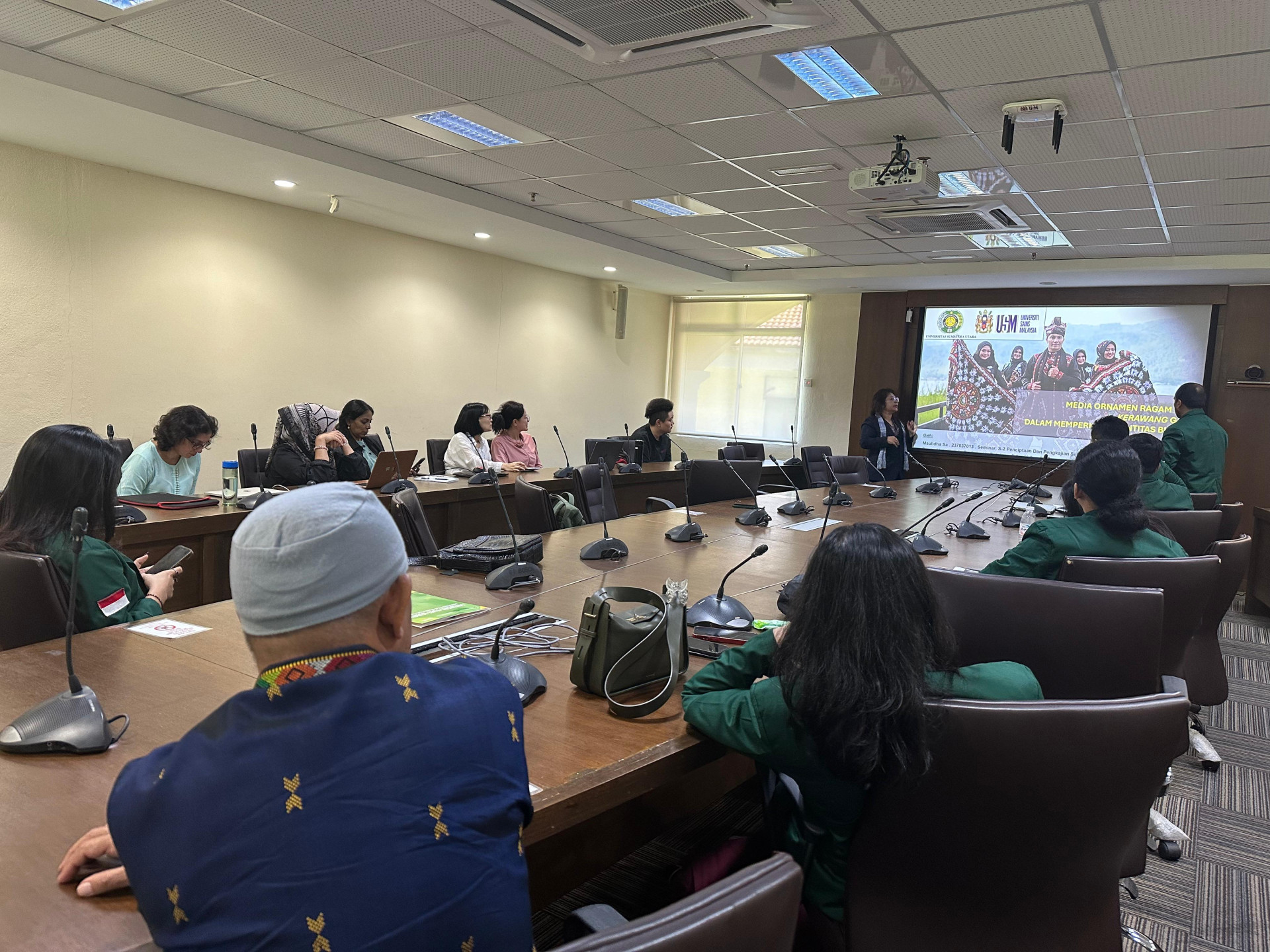
The seminar began with a welcoming ceremony for the team from S2-PPSn FIB USU by the Dean of the School of the Arts USM, Assoc. Prof. DR. Sarena Abdullah was accompanied by the Head of Music Study Program (Chairperson Music) DR. Pravina Manoharan. In the meeting, the importance of academic cooperation in overcoming current global challenges, such as social and cultural changes, and rapid technological developments was emphasized. Continued with a seminar session presenting speakers from the Master of Art Creation and Research Study Program, Faculty of Cultural Sciences, University of North Sumatra, Medan, represented by 6 (six) students. The topics presented on this occasion include: (1) The Influence of Social Media on Traditional Dance Arts by Sabrina Maulida Putri, (2) Stone Graves: Symbols of Sangap Habatahon by Marfenas Marolop Sihombing, (3) Gayo Kerawang Ornamental Media in Strengthening Cultural Identity by Maulidha Sa, (4) The Oral Tradition of Sitajur Horse Riders as Education Through Performance by Ramanta Alkaro Sinulingga, (5) The Cultural Tradition of the HKBP Church Choir (Khor) in Medan City by Elfrida Yuliana Simamora, and (6) Adaptation of Traditional Music in a Contemporary Context by Ricky Nelson.
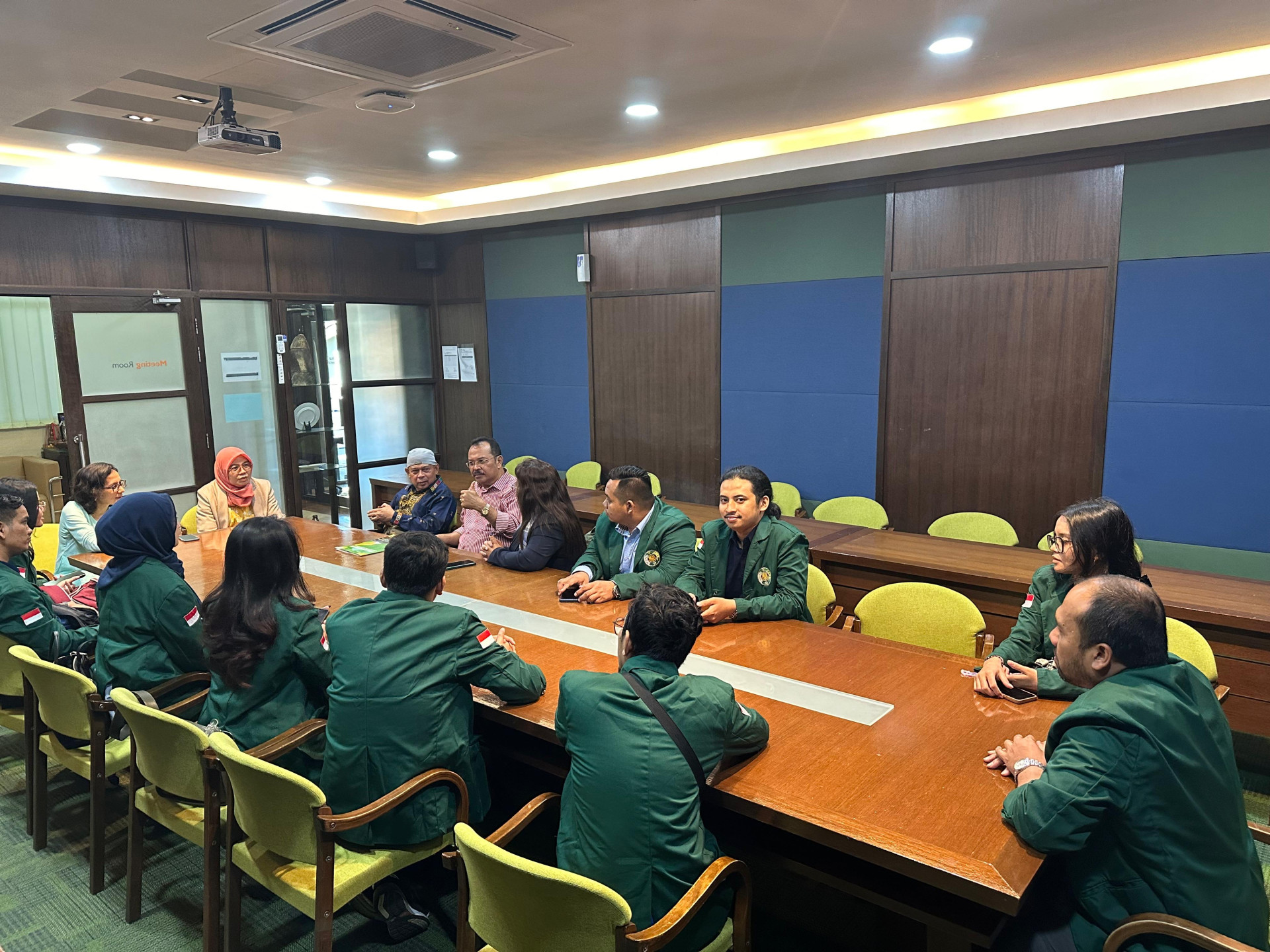
One of the most interesting things about this seminar was the opportunity for lecturers and students from both universities to interact and discuss directly using English. In the question and answer session, the seminar participants seemed very enthusiastic in asking questions and sharing views on the topics discussed. This created a productive discussion atmosphere and opened up opportunities to build a wider academic network. This allows them to get direct feedback from the experts and practitioners present.
This seminar provides many benefits, both for lecturers and students. For lecturers, this seminar is a place to share experiences and knowledge about the latest trends in the academic and research world, as well as explore opportunities for further collaboration with other institutions. For students, this event is an opportunity to broaden their horizons, gain new inspiration, and introduce the results of their research work to the academic public.
In addition, this seminar also provides an opportunity to strengthen relations between universities, plans to build closer research collaborations, and identify potential areas where both institutions can work together to produce innovative solutions.
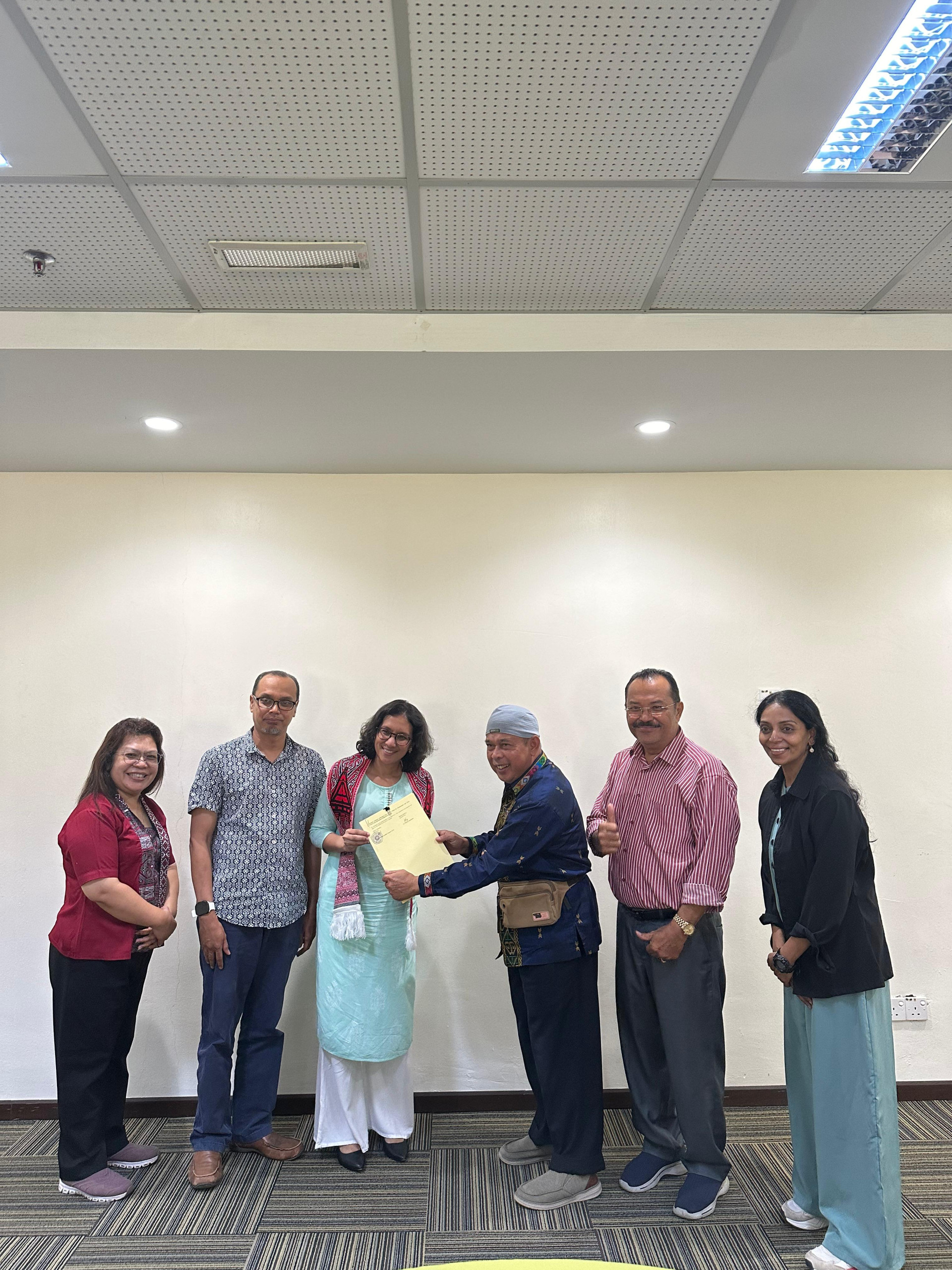
The seminar was closed with the hope that collaboration between universities will not only stop at this event, but will continue to develop into joint projects that can provide real contributions to both parties. The participants hope that seminars like this can continue to be held sustainably, as a platform to exchange ideas, expand networks, and encourage beneficial innovation. At the end of the event, the signing of the Cooperation Implementation Arrangement was carried out between the two institutions.
Overall, this joint seminar between the two institutions is a very positive step in building productive academic collaboration and providing broad impacts for both institutions.