


Learn more about various concentrations, explore the Curriculum adjust your Course Schedule to fit your time, know the required Tuition Fees, and understand the expected learning outcomes All the information you need to start your academic journey is here.

Concentration
The following is a list of specializations contained in Undergraduate Program in Chinese Language | Faculty of Cultural Science

Grammar

Listening

HSK preparation

Mandarin script

Phonology
.webp)
Reading

Introduction to Chinese Literature

Chinese History

Mandarin Syntax

Chinese Society Institution

Hokkien Language

Chinese Arts and Crafts

Business Mandarin

Semantics of Mandarin

Drama and Cinema
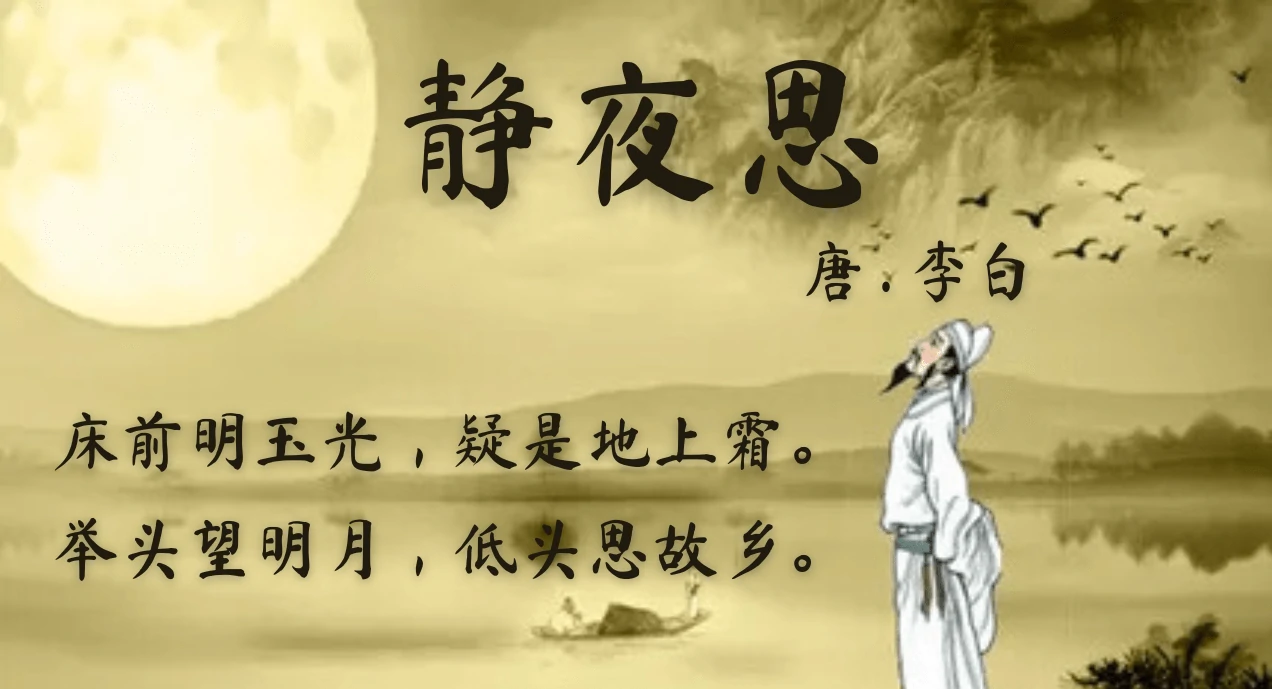
Chinese Poetry and Prose

Philosophy of Chinese

Mandarin to Indonesian translation

Indonesian to Mandarin translation

Computer in Chinese

Mandarin for Professionals

Chinese Correspondence

Mandarin Media Language

Mandarin Tourism Language
Curriculum
Discusses sub-sections of theory and practice in pronunciation, including concepts such as diphthongs, initials, finals, tones, as well as elements related to pronunciation forms and structures.
Basic Grammar provides foundational knowledge on vocabulary usage, including types of words such as verbs, adverbs, etc., as well as a basic understanding of word use in simple sentences.
This course equips students with basic listening skills to understand and apply basic pronunciation (pinyin), vocabulary, and simple sentences in Chinese through audio-visual media spoken by native speakers.
This course introduces and teaches basic Mandarin pinyin pronunciation of “b, p, m, f,” and others. In addition to basic pronunciation, the course also teaches students to read short words and sentences in Mandarin.
This course provides students with basic reading skills to understand and master text reading of approximately 100-300 words in accordance with HSK level 2 (Chinese Proficiency Test) or basic Mandarin language level.
Writing provides students with knowledge on how to compose essays, write, and format letters (notification letters, memos, CVs, etc.).
Advanced Basic Grammar provides foundational knowledge on the use of phrases, covering types of phrases such as noun-verb phrases, adjective-noun phrases, quantifier-noun phrases, and others, as well as a basic understanding of the functions of these phrases in simple sentences.
This course is a continuation of Basic Listening and aims to enhance intermediate-level listening skills.
The Advanced Basic Reading course is a continuation of Basic Reading, focusing on intermediate-level reading skills with texts ranging from 300-500 words.
Writing provides students with knowledge on how to paraphrase sentences, change active sentences to passive, and choose the correct words for simple essays.
This course teaches the next stage of Chinese language knowledge with mastery of 300 vocabulary words, covering pinyin learning and basic Chinese characters.
Intermediate Grammar provides foundational knowledge on sentence complexity and the relationships between words and phrases within sentences.
The Intermediate Reading course is a continuation of Advanced Basic Reading, focusing on intermediate-level reading skills with texts ranging from 500-1000 words.
This course introduces and teaches intermediate-level Mandarin language knowledge through character and grammar learning, with a vocabulary mastery of 600 words.
Syntax provides knowledge on applying syntactic theories used to analyze sentence structure.
Advanced Intermediate Grammar provides foundational knowledge on sentence error analysis regarding the inappropriate use of words and phrases.
The Advanced Intermediate Reading course is a continuation of Intermediate Reading, focusing on upper-level reading skills (高级 gaoji) with texts exceeding 1000 words.
This course introduces and teaches intermediate-level Mandarin language knowledge, focusing on character and grammar learning with a vocabulary mastery of 1200 words.
Discusses sub-sections of translation theory and practice in Chinese, covering concepts, as well as elements related to structure, sentence patterns, and sentence structures in translation.
This course provides an understanding that language is closely related to the society that uses it. In the language teaching program structure, the Sociolinguistics course aims to expand students' knowledge and awareness that language is intertwined with its usage. Topics include the scientific aspects of sociolinguistics, language and society relationships, language varieties, dialects, registers, standard language, diglossia, prominent figures and key topics, terminology, and the application of sociolinguistics in language policy, language planning, and language teaching.
This course prepares students of the Undergraduate Program in Chinese Language, Faculty of Cultural Science, Universitas Sumatera Utara to understand Chinese socio-cultural aspects within the fields of language, literature, and culture. Topics cover gender issues, race, ethnicity, ideology, as well as social and cultural dynamics in China in general and in Indonesia in particular.
This course covers practical aspects of oral translation, including concepts and elements related to sentence structure in translation.
This course discusses: (a) basics of scientific methods and research methodology, (b) approaches, methods, techniques, and procedures of various types of research, (c) data sources, (d) research instruments, (e) data processing, and (f) report writing of research findings.
This course prepares students of the Undergraduate Program in Chinese Language, Faculty of Cultural Science, Universitas Sumatera Utara to understand the steps, methods, and theories of research. Students are guided in writing a proposal and thesis on literature and cultural studies.
This course prepares students of the Undergraduate Program in Chinese Language, Faculty of Cultural Science, Universitas Sumatera Utara to understand the steps, methods, and theories of research. Students are guided in writing a proposal and thesis on literature and cultural studies.
This course prepares students of the Undergraduate Program in Chinese Language, Faculty of Cultural Science, Universitas Sumatera Utara to understand Chinese community institutions within the realms of language, literature, and culture. Topics include gender issues, race, ethnicity, ideology, as well as social and cultural developments and dynamics in China in general, and specifically in Indonesia.
This course prepares students of the Undergraduate Program in Chinese Language, Faculty of Cultural Science, Universitas Sumatera Utara to understand the connections and phenomena of communication in social, economic, and cultural contexts, focusing on both communication in Chinese society generally and specifically on communication practices in Indonesian society.
This course prepares students of the Undergraduate Program in Chinese Language, Faculty of Cultural Science, Universitas Sumatera Utara to understand Chinese history within the realms of language, literature, and culture. Topics are sequentially presented from the imperial/dynastic era through various government periods, and discuss the arrival of the Chinese community in Indonesia and their eventual settlement across the archipelago.
This course prepares students of the Undergraduate Program in Chinese Language, Faculty of Cultural Science, Universitas Sumatera Utara, by discussing the steps, supporting documents, and necessary components required for Fieldwork (PKL). During the first half of the semester, students will receive supporting material. Following this, students are expected to engage directly in PKL, either virtually or in person (when conditions allow).
Course Schedule
Tuition Fee
Learning Outcomes
The Chinese Language Study Program is responsible for preparing students to meet the goals and direction of education in the fields of language, literature, and culture as well as producing graduates who can meet the expected competencies and work with satisfactory performance.
| Learning Outcomes | |
| 1 | Possess noble character, dignity, wisdom, commendable qualities, broad insight, and develop their personality. |
| 2 | Able to master science and technology in the fields of Chinese linguistics, literature, and culture as well as skilled in applying principles of translation theories to translate source texts into target texts, both in written and oral form. |
| 3 | Able to produce scientific works related to the Chinese language, literature, culture, and history based on acquired knowledge. |
| 4 | Able to demonstrate professional attitude and behavior in their work based on the knowledge of the Chinese language, literature, and culture. Graduates are skilled in the field of translation. |
| 5 | Able to communicate effectively in oral and written Chinese language with peers and society as stakeholders. Graduates are also capable of working in teams, respecting pluralistic values in society, caring for the environment, and integrating with the surrounding community. |