home icon
search icon
menu icon

Library and Information Science

Undergraduate Program (S-1)

The Undergraduate Library and Information Science Study Program at the Universitas Sumatera Utara (USU) was established in 2001. Since its establishment, the program has produced many outstanding students and created influential library experts throughout Indonesia. This study program's main focus is interdisciplinary, combining various sciences such as social sciences, legal sciences, and applied sciences to study topics related to library and information science. Supported by lecturers who are experts and certified in the library field and the use of an integrated curriculum, we are committed to providing an interactive education and learning experience to our students.

icon
Year Established 2001
icon
Professor 1
icon
Scientific Article xxx
icon
Students 411
icon
Staff 1
icon
Alumni 897
icon
Citation xxx
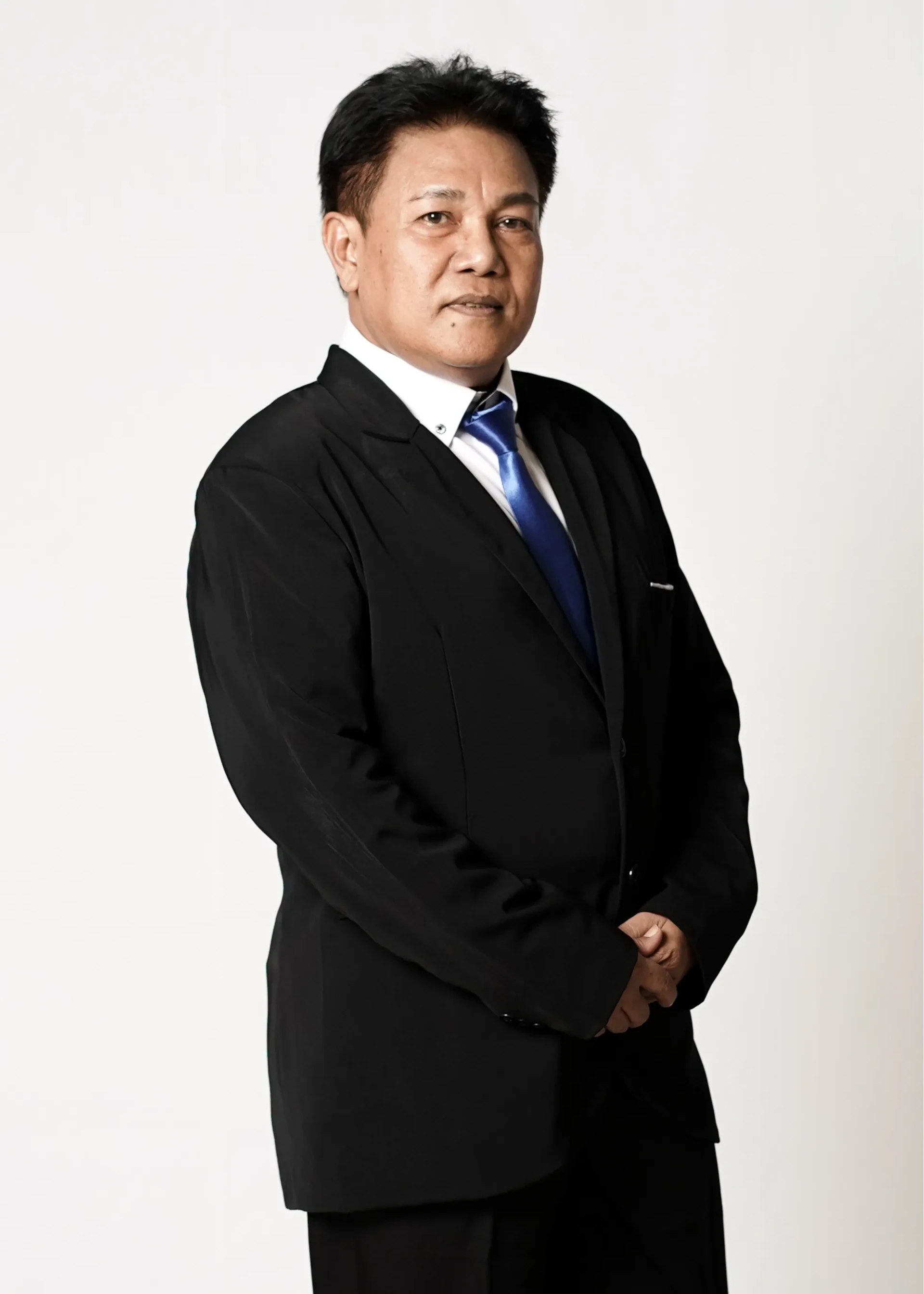
Drs. Dirmansyah M.A.

With great pleasure, I am pleased to welcome you to the Undergraduate Program in Library and Information Science at the Faculty of Cultural Science, Universitas Sumatera Utara.

Assalamu’alaikum warahmatullahhi wabarakatuh. Greetings and best wishes to everyone. Praise and gratitude be to the Almighty God and sincere thanks to all parties involved for the availability of the website of the Library and Information Science Study Program. The Library and Information Science Study Program, established in 2001, implements an undergraduate curriculum with an Outcome-Based Education (OBE) approach and the implementation of the Merdeka Belajar Kampus Merdeka (MBKM) program that aligns with the needs of stakeholders. Hence, the graduate profiles' quality is expected to align with the changing times. This study program has produced alumni who hold significant positions in various government and private institutions, especially in libraries and other information service institutions. We will always strive to publish important information regarding the study program on this website. May the study program's website serve as a good communication platform for the study program and the public, especially for stakeholders. Wassalamu’alaikum warahmatullahhi wabarakatuh. Greetings and best wishes to everyone.

Drs. Dirmansyah M.A.
Head of Undergraduate Program In Library And Information Science Faculty Of Cultural Science
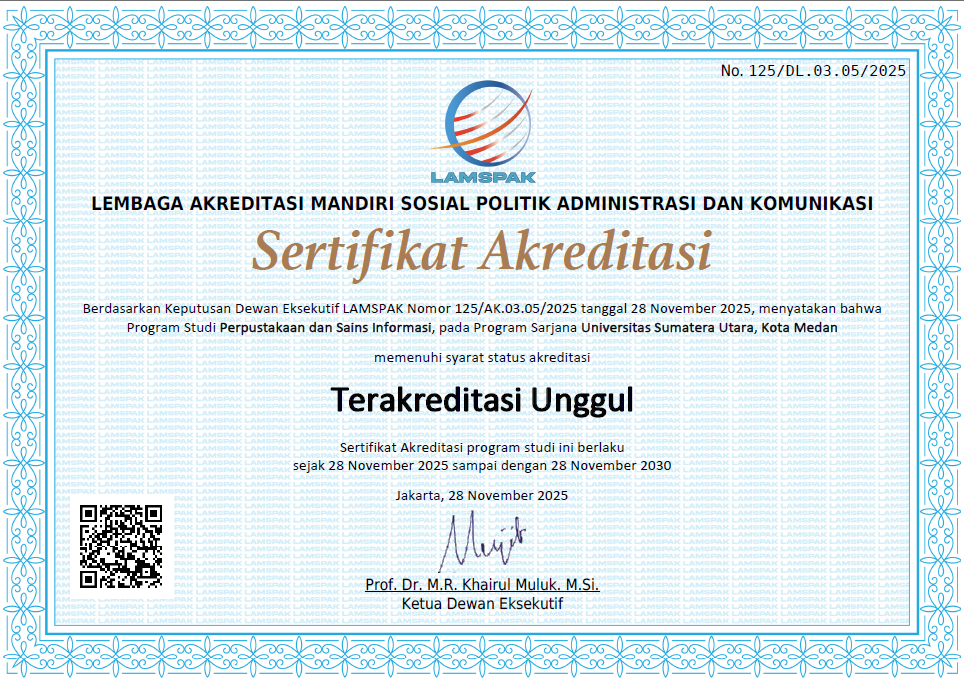
Undergraduate Program In Library And Information Science Faculty Of Cultural Science Accredited Excellent LAMSPAK Nomor 125/AK.03.05/2025
Lab Fasilkom-TI

Curriculum Undergraduate Program in Library and Information Science

You will learn things such as:

  • Library Housekeeping
  • Human Capital
  • Information and Communication Technology
  • Social Aspects
Curriculum
ornament

Graduate Profile

The following is a list of graduate profiles found in Undergraduate Program in Library and Information Science

Librarian

Graduates are responsible for managing and delivering efficient library services. As librarians, they can work in public libraries, schools, colleges, or government agencies. With expertise in information organization and information literacy, graduates can assist users in accessing and utilizing information resources. Librarians can also participate in collection development, literacy programs, and community activities. Technology and innovation facilitate the transformation of libraries towards digital models, ensuring that library services remain relevant in the digital information age. By becoming a librarian, graduates support education and research and play an essential role in improving society's access to quality knowledge and information.

Archivist

Graduates manage and preserve archives, documents, and essential information in various formats. In institutions such as national archives, corporations, or large libraries, graduates can design efficient archiving systems, ensure document security, and facilitate access for researchers and users. With a deep understanding of records management, security policies, and information technology, archivists play a significant role in ensuring the sustainability and integrity of historical and organizational records. Through their information curation skills, they contribute to the understanding and research of the past and support current operational functions. This career choice not only enables graduates to manage information meticulously but also to preserve the heritage and ensure the accessibility of information for future generations.

Administration Staff

Graduates can work in various agencies, including libraries, educational institutions, and business organizations. Administrative staff support day-to-day operations, including records management, scheduling, and coordinating activities. With expertise in information management and effective communication, graduates can be the backbone of an organization, ensuring efficiency in workflow and providing necessary administrative support. This job allows them to utilize the information technology knowledge and organizational skills they acquired during their studies. As administrative staff, graduates can make a vital contribution to maintaining an institution's or organization's operational sustainability, playing an essential role in maintaining the order and smoothness of daily work processes.

Curator

Graduates can work in various institutions, including museums, art galleries, or specialized libraries. Curators are responsible for developing, maintaining, and advancing collections of art, historical artifacts, or other technical materials. With a deep understanding of collections management and field-specific knowledge, graduates can play a role in designing exhibitions, caring for collections, and ensuring accessibility for researchers or visitors. Through collaboration with experts and innovative collection management, curators create educational and inspiring experiences for the public. A career choice as a curator allows graduates to play a central role in preserving and presenting cultural heritage, ensuring that artifacts and art are passed on integrally and appreciated by future generations.

Author

With expertise in information literacy and effective communication, graduates can create valuable content for various platforms. As writers, they can be involved in creating articles, guides, or educational materials that support the understanding and use of information resources. With research skills and a deep knowledge of their topics, graduates can contribute to forming informative and relevant narratives across various subjects. In the digital age, writing can involve online content, blogs, or instructional materials to support library resources and information literacy. A career as a writer allows graduates to share knowledge, form opinions, and guide society in an enriching and educational way.

Research and Development Staff

Graduates can work in various institutions, including libraries, research centers, or information technology companies. Research and development staff are responsible for exploring information literacy, technology, and management innovations. With analytical skills and a deep understanding of industry trends, graduates can design and execute research projects that support development and efficiency in various sectors. This work enables them to contribute to developing new information systems, information literacy technologies, or more effective data management models. As research and development staff, graduates play a significant role in ensuring that institutions or organizations remain at the forefront of change and progress in the ever-evolving world of information.

Market Researcher

Graduates can work in companies, research institutes, or marketing agencies, using their information literacy knowledge to collect and analyze data. With research skills and an understanding of user behavior, graduates can compile research reports that provide organizations valuable insights into consumer trends, preferences, and market needs. This work enables them to participate in strategic decision-making regarding the marketing of products or services and help design more effective campaigns. Through a combination of information literacy and an understanding of marketing concepts, graduates can play an essential role in assisting organizations to remain competitive and relevant in an ever-changing market.

Graduates can work with government or educational institutions at the local, regional, or national level. Education office staff use their expertise in information management and literacy to support education policy development, design literacy programs, and ensure accessibility of educational resources. With analytical skills and an understanding of education trends, graduates can contribute to strategic planning to improve education quality. This work allows them to collaborate with various stakeholders, including schools, libraries, and communities, to create an inclusive and competitive educational environment. As education department staff, graduates play an important role in shaping sustainable education policies and positively impacting education development at the local and broader levels.

Information Specialist

Graduates can work in various sectors, including corporations, government agencies, or non-profit organizations. Information specialists are responsible for managing and structuring information, ensuring efficient data accessibility, and supporting the organization's information needs. With expertise in information literacy, they can design sophisticated information management systems, draft information access guidelines, and provide information literacy training to organizational members. This job allows graduates to utilize the information technology, data analysis, and communication skills acquired during their studies. As information specialists, they play a vital role in supporting information-based decision-making and helping organizations optimize the use of their information resources to achieve strategic goals.

Contact Us

Undergraduate Program in Library and Information Science Universitas Sumatera Utara

Faculty of Cultural Science

Universitas Sumatera Utara

ornament

Alumni Testimonials

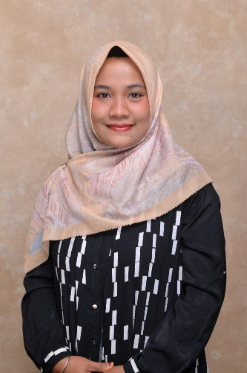
It has been an extraordinary experience to be able to study at a prestigious university in Medan and be taught by experienced lecturers.

Shinta Nofita Sari, M.A.

Shinta Nofita Sari, M.A.

2015 - -

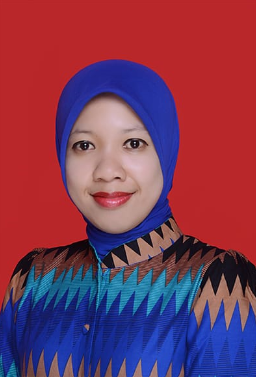
The Library and Information Science Study Program produces excellent human resources who are ready to face the professional world.

Tessa Simahati, S.Sos., M.I.Kom.

Tessa Simahati, S.Sos., M.I.Kom.

2001 - Head
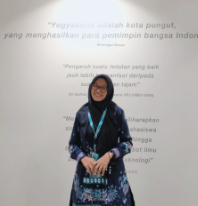
Alhamdulillah, I am proud to be part of the Universitas Sumatera Utara Library and Information Science Study Program. I truly feel that the study program is very supportive, encourages students to excel, and provides a conducive learning environment. The lecturers are highly competent in their respective fields, shaping quality and competitive graduates who are ready to thrive in the professional world.
Alhamdulillah, just one month after graduating, I secured a job, and a year later, I became a functional librarian at one of the state Islamic higher education institutions (PTKIN) under the Ministry of Religious Affairs.

Sarah Wulan Dari, S.Sos., M.A.

Sarah Wulan Dari, S.Sos., M.A.

2012 - -