


The Undergraduate Program in Ethnomusicology of Universitas Sumatera Utara (USU) has existed since 1979. Over time, this study program has succeeded in producing outstanding students and creating ethnomusicologists who have spread across various regions in Indonesia. This study program's main focus is to study forms of performing arts related to the development and documentation techniques of ethnic music. Through the ethnomusicology approach, students are encouraged to understand the culture and traditions of a society through the medium of music. Supported by lecturers who are experts and certified in the ethnomusicology field and the use of an integrated curriculum, we are committed to providing an interactive education and learning experience to our students.


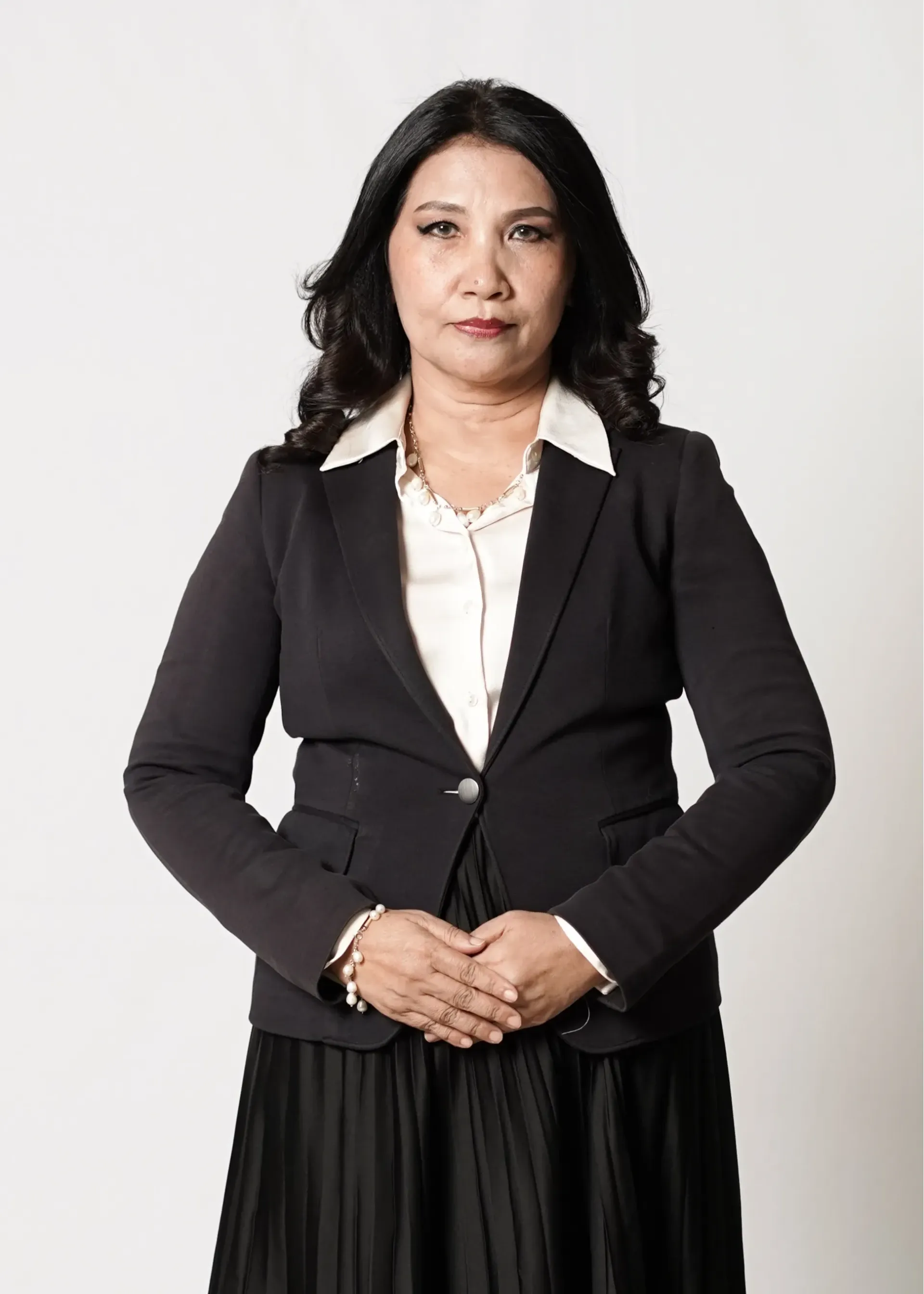
With great pleasure, I am pleased to welcome you to the Undergraduate Program in Ethnomusicology at the Faculty of Cultural Science, Universitas Sumatera Utara.
Assalamu’alaikum wr. wb., Shalom, Om swastiastu, Namo buddhaya, Salam kebajikan. Salam Budaya. The Ethnomusicology Study Program that was established in 1979 is the first Ethnomusicology Study Program in Indonesia, followed by four other Ethnomusicology Study Programs in several institutions in the country. During its early years, particularly from 1982 to 1994, the Ethnomusicology Study Program at FIB USU collaborated and received support from The Ford Foundation, Jakarta, for 12 years in terms of institutional development and curriculum design. Currently, the teaching staff of the Ethnomusicology Study Program consists of graduates from postgraduate programs in the fields of ethnomusicology, anthropology, cultural studies, performing arts studies, and theater from Monash University, University of Washington, Universiti Sains Malaysia, Universiti Malaya, Universitas Indonesia, Universitas Gadjah Mada, Universitas Negeri Padang, and Universitas Udayana. The curriculum of the Ethnomusicology Study Program consists of theory courses related to the disciplines of ethnomusicology, anthropology, and languages. There are two ongoing curricula, namely KKNI and MBKM. In addition to theory courses, the study program also offers practical courses where students can practice playing musical instruments and dancing. The practical courses taught include music and traditional dances from various ethnic groups in North Sumatra, such as Melayu, Batak Toba, Batak Simalungun, Batak Karo, and Mandailing. Additionally, there are also practical courses on Indonesian music traditions represented by Javanese gamelan, Minangkabau talempong, West Javanese angklung, and Sulawesi kulintang. Moreover, Western music practices, such as piano and violin, are also taught. Thank you. Wassalam.

Curriculum Undergraduate Program in Ethnomusicology
You will learn things such as:
- Etnomusicologist - Young Researcher
- Etnomusicologist - Applied Arts
- Etnomusicologist - Performing Arts

Graduate Profile
The following is a list of graduate profiles found in Undergraduate Program in Ethnomusicology
Contact Us
Undergraduate Program in Ethnomusicology Universitas Sumatera Utara
Faculty of Cultural Science
Universitas Sumatera Utara


Alumni Testimonials
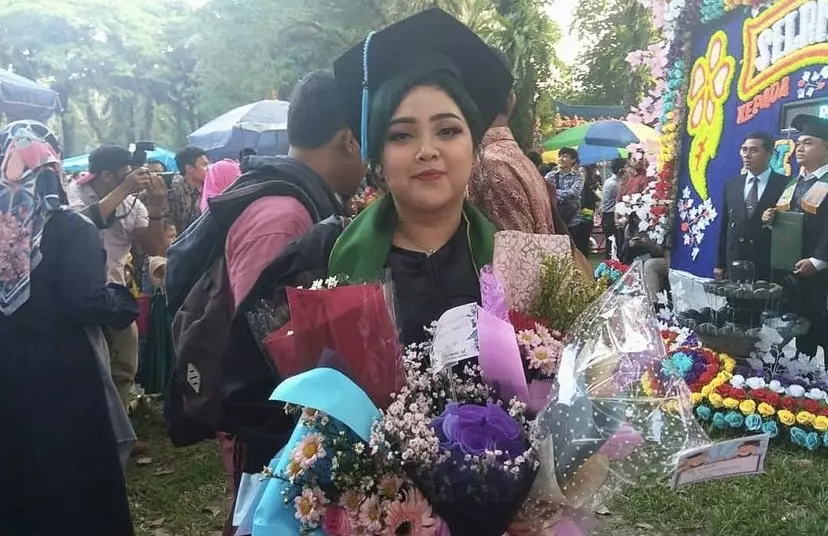
Kristina Samosir
2014 -
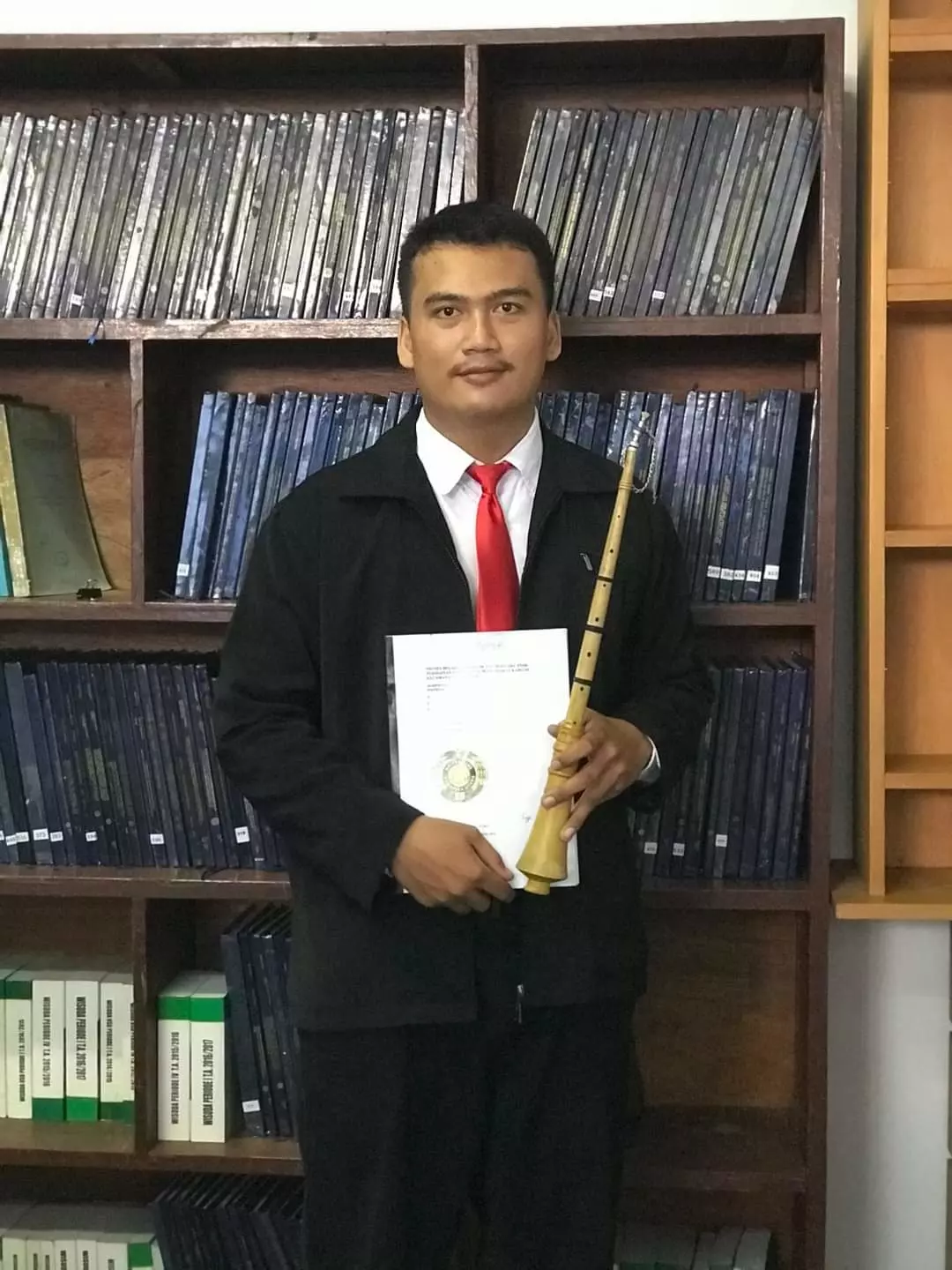
Christopher
2018 -

Hetty Hutagalung
2001 -